I haven’t read the book, but I’ve seen that argument before, and heard him speak about it on a podcast. I’ll have a look though, it was an interesting discussion.
Based on my recollection though, isn’t it largely about people’s like…recreational time, dispoable income, etc.? I can definitely see the argument that subscription models, enshittification, etc. have replaced consumerism with something new and worse. But like…the sale of our labor is not subject to those forces. Maybe you could say that of freelance workers who pay for their own tools…or uber drivers or something…but I don’t see any reason to think that style of relationship is likely to take over the economy. Employment relationships work better for the employer in most types of work! As an employer, you generally want your workers to develop skills they can’t use without you, and you don’t want them to have access to the means of production without you. Uber drivers can and do drive for Lyft! They can’t increase the value they provide to Uber.
I also don’t think if that model was coming for the economy generally, that feudalism would be the right analogy. Uber still pays drivers for their labor. Capitalist relationships of prodcution let the employer pay a worker less than the value of the worker’s output. In feudal relationships lords don’t “pay” peasants, they just let peasants get on with their lives and demand taxes in kind. If the idea is that land, in the feudal system is replaced with like…computing power or internet access or whatever…does that mean people would be working for tech companies in exchange for access? What about their actual necessities of life (food, shelter, etc.)? People need those in order to work. And if all that’s so…how do the tech companies increase the value of their outlays? Feudal relationships did not allow people with wealth to accelerate the growth of their wealth. Some feudal lords got in on the ground floor of capitalism, kicking peasants off the land, grazing sheep, and employing the now illegally dispossessed peasants in workshops…but those are capitalist relationships, not feudal ones!
If the idea is that the economy will simply allow vast numbers of people to perish because their labor cannot be exploited, I think that’s a bit fantastical. It’s very hard to imagine a world in which human labor has no exploitable value, given that its value is how well it satisfies people’s needs, and people like stuff made by people (even when the product is otherwise indistinguishable).


I haven’t read the book, but I’ve seen that argument before, and heard him speak about it on a podcast. I’ll have a look though, it was an interesting discussion.
Based on my recollection though, isn’t it largely about people’s like…recreational time, dispoable income, etc.? I can definitely see the argument that subscription models, enshittification, etc. have replaced consumerism with something new and worse. But like…the sale of our labor is not subject to those forces. Maybe you could say that of freelance workers who pay for their own tools…or uber drivers or something…but I don’t see any reason to think that style of relationship is likely to take over the economy. Employment relationships work better for the employer in most types of work! As an employer, you generally want your workers to develop skills they can’t use without you, and you don’t want them to have access to the means of production without you. Uber drivers can and do drive for Lyft! They can’t increase the value they provide to Uber.
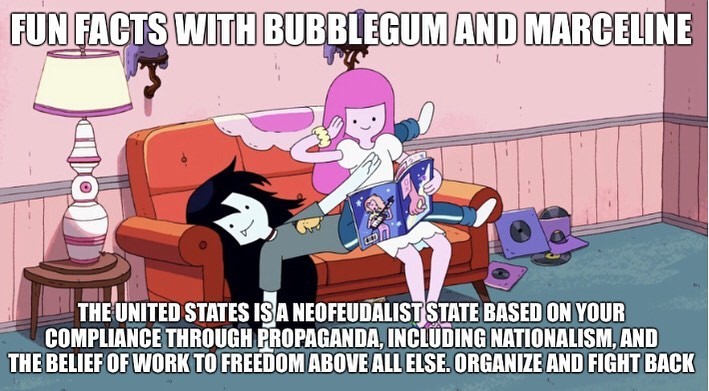
I also don’t think if that model was coming for the economy generally, that feudalism would be the right analogy. Uber still pays drivers for their labor. Capitalist relationships of prodcution let the employer pay a worker less than the value of the worker’s output. In feudal relationships lords don’t “pay” peasants, they just let peasants get on with their lives and demand taxes in kind. If the idea is that land, in the feudal system is replaced with like…computing power or internet access or whatever…does that mean people would be working for tech companies in exchange for access? What about their actual necessities of life (food, shelter, etc.)? People need those in order to work. And if all that’s so…how do the tech companies increase the value of their outlays? Feudal relationships did not allow people with wealth to accelerate the growth of their wealth. Some feudal lords got in on the ground floor of capitalism, kicking peasants off the land, grazing sheep, and employing the now illegally dispossessed peasants in workshops…but those are capitalist relationships, not feudal ones!
If the idea is that the economy will simply allow vast numbers of people to perish because their labor cannot be exploited, I think that’s a bit fantastical. It’s very hard to imagine a world in which human labor has no exploitable value, given that its value is how well it satisfies people’s needs, and people like stuff made by people (even when the product is otherwise indistinguishable).