- 355 Posts
- 1.38K Comments


 2·3 days ago
I’ve been trying to figure out what kind of personal computing device would fit in these power envelope.
I dunno if this is what I want, but I like the idea anyway. ESP32 is like 500mW class or so (very rough estimate because I don’t care to look it up right now lol). So you can get more than 24-hours of processing with 4x AA cells or 18650 Li-ion.
I feel like there’s something ‘under’ the classic smartphone that might still be useful as a personal gadget. But alas, smartphones are an always in your pocket device today. Bluetooth keyboard + Phone would be a more practical note taking application.
Maybe this same thing, but instead as a minimalistic SSH shell for computer IT tasks? I like the design of this things keyboard at least.
No no. I mean yes. But no. You’ve commented on the wrong story.
https://www.axios.com/2024/06/19/elon-musk-advertising-cannes
That’s certainly happening more directly in this walkback / apology tour where Elon is asking for advertising money now on Twitter.
Elon said something to that effect. But its all bullshit like everything else Elon says.
Still, its crazy that Elon said that, and that none of his supporters caught how dumb of an idea it was.
Shareholders would hate that!
Shareholders hated that so much they just voted to give Elon Musk $50 Billion in shares.

 2·4 days ago
True but what the poster said is important: polls do not work well in close races because they don’t sample correctly.
That’s not my point. My point is that the poll movements are almost always correct, because pollsters are at least consistent with how biased they are / errors in sampling.
Fox News had Trump leading Biden a few weeks ago. Today, Biden is ahead of Trump. We don’t know where the “truth” lies, but we can 100% conclude that the typical American has lost a bit of favor on Trump in the past few weeks.
Alas, the most problematic part of the energy curve is the “Duck Curve”, of which only natural gas has been identified as a solution so far.
The setting of the sun does not coincide with higher winds. The elevated winds are deep at night when everyone’s asleep but the grid is actually 1/2 power usage IIRC compared to daytime usage. Not really the 7pm period where solar grossly diminishes (sun is low enough that solar barely contributes anymore), but the day is hot enough that Air Conditioners run, and everyone is home doing laundry or other energy-costly tasks since they’re still awake.
But my net negative power usage from the grid means that I’m using less energy than I feed in when it isn’t shinning out.
Grid scale batteries do not exist yet, outside of pumped hydro. And honestly, they might never exist (Sodium Batteries in 2 or 3 years are our best bet at grid-scale energy, but maybe that’s not good enough. We dont know because they don’t exist yet).
So, it. Balances out
No. If there’s no grid energy storage mechanism, then the power is wasted during the day, and the natural gas spins up at night.
Apologies if you’re not aware that the grid isn’t a magical energy storage device. But… it isn’t. The tech for energy storage does not feasibly exist yet on any large scale.
Wind is an option but only in windy areas and windy times
So, it. Balances out. (And in the near future I’ll get a residential battery for night. Those are freaking expensive, though.)
I wouldn’t bother. When battery storage tech becomes feasible, the utility companies will buy it for the whole grid. Residential batteries are just for those who are tricking themselves into thinking these things are feasible.
The #1 “battery” is pumped Hydro right now. No joke. Running water up a hill with excess electricity absolutely works as an energy storage mechanism. The best battery techs will be exceptionally large systems (Pumped Hydro. Compressed Air, etc. etc.) that take advantage of these effects.
Even “Wind” energy is actually an energy storage solution due to the massive momentum the wind turbine arms have. So unlike Solar, a lot of Wind plants self-regulate and self-store their energy.
Polls are dogshit.
But poll movements are worth tracking as long as the dogshit quality remains consistent.
Because I have solar pannels on my rooftop and my annual energy usage is net negative.
That’s not how that works. Natural Gas plants turn on at night to supply your electricity usage at night.
No solar panel is working at night.
Shill harder.
No you? You’re trying to pretend that solar power somehow is supplying energy to your nighttime car charges. Do you even know what the sun is or how solar panels work?
Unless you live near a pumped-hydro station, you aren’t getting green energy at night. Your best bet is nuclear, but for some reason a bunch of asshole environmentalists have hampered our nuclear rollout leading to this unpleasant situation where we have to rely upon natural gas more.
Have you seen the electric Dodge Charger commercials?
Anti-EV language wrapped up in an EV Commercial. Its hilarious. You need to speak anti-EV language to reach this audience.
Where I draw the line is environmentalist jackasses who are out there hating on the Prius (ACEEE’s greenest car of 2024), which would extend the climate crisis.
You guys are fucking up the #1 car in today’s market for fixing climate issues. Because environmentalism isn’t actually about what’s best for the environment, its its own insane cult that doesn’t actually calculate out the full issues associated with EVs.
Hint: EVs that charge overnight do not use solar power for charging. Think about that for a sec. Its all Nat. Gas in practice. Rerun the calculations and you’ll find that Prius burns fewer fossil fuels than most EVs for the typical American.
So stop fucking around with useful cars (like the Prius) and turn your attention to dumbass vehicles like the Hummer EV (which is so big and heavy that it burns more fossil fuels than a damn Corolla or Civic). EVs aren’t the answer, they’ve already been corrupted by the corporations to have insane designs. You need to calculate every car on a car-by-car basis before making large scale environmental policies.
And if you have dumbass policies (like “Advanced Clean Cars II”) purposefully leave out highly environentally-friendly vehicles like the Prius, well… guess what? You’re part of the problem, not part of the solution.
Net Loss: (327,599.7) (Thousands).
That’s $327.5 Million lost last quarter. Holy shit.
Interest rates are 5.25% right now. If they just put that money in a money-market fund, they’d be getting ~$25 million/year in profits alone.
Just $4 Million in profits is hilariously bad. It means the company is doing worse than a pile of cash.
Didn’t they at least raise $500 million or something?
It’s not a totally worthless company. Honestly, the point we should celebrate is when it drops below the value of the $$$$ that was pumped into the stock. The IPO and SPAC rised nearly $500Million so the company officially loses value at around $6/share or so.

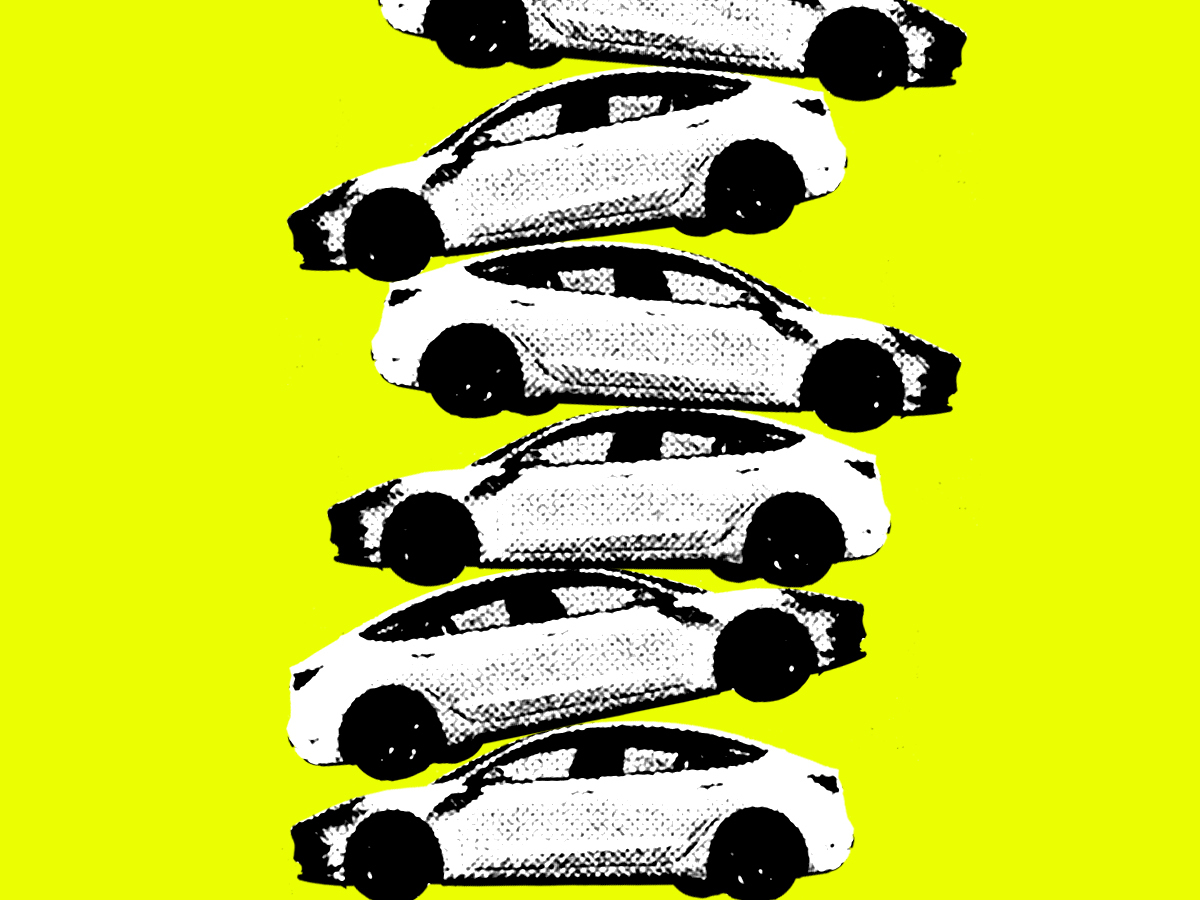
It got worse.
https://www.texasmonthly.com/news-politics/elon-musk-vs-organic-farmers-bastrop/
As it turns out, Elon Musk had a bunch of farms + horses from all the land he bought in the 2022-era. Elon Musk was actively trying to get rid of horses on his new property.
Its not that Elon Musk was going to “buy her a horse”. He had tons of spare horses and was looking to dump them onto someone else.


 51·17 days ago
Richard Cory
A surprising poem on a dark subject matter. Perhaps one of the best poems that demonstrate how mysterious other people are and how hard it is to truly connect with strangers.

 24·19 days ago
Sanctions are ongoing
Venezuela is literally nationalizing US investments, effectively stealing from the USA. Sanctions that punish them for taking our resources is fair. Yeah, Venezuela’s Maduro regime wants to piss off the local Superpower. Lets see how that plays out. We don’t have to trade with them. Sanctions aren’t meddling, its just “we’re gonna stop trading with you”. If you don’t like that, then don’t piss us off. If you want to have US trade again, then try to make amends. But Hugo Chavez and Maduro have been actively trying to piss off the USA for the last 3 decades, because they’re fucking brilliant at foreign policy, amirite?
Operation Gideon
Silvercorp isn’t the CIA. If it were the CIA, you’d know it. USA has god damn supercarriers by the way, we wouldn’t need to use paramilitary action to fuck over Venezuela if we really wanted to.
Do you see Ukraine? Afghanistan? Iraq? Syria? Libya? That’s what USA-based meddling is. You’d know when we meddle, I promise. All the meddling that Hispanics complain about are largely conspiracy theories. And you know what? I don’t really blame them per se, their world is collapsing and they need someone to lash out against. And USA is the biggest target for that.
Whatever. Keep the assholes out, but welcome the migrants who are happy enough to call USA their home.
You’re gonna have to explain to me why Argentina needs this conspiracy-based “secret meddling” but isn’t important enough for the “real meddling” that we do.
Or maybe, to understand Venezuela, you should look up the history of Venezuela.
That’s all I’m trying to say. Venezuela is the #1 determining factor of what happens in Venezuela. This is absolutely outside of the USA’s control, no matter how much random nationalists from South America complain.
If we really wanted to mess with a country with collapsing infrastructure, large-scale emigration, and a massive oil reserve like Venezuela… we probably could do so and also do so at a good profit. But honestly? We don’t. Our attention and resources are diverted elsewhere (like… at the massive migration wave hitting our border). I’d probably support more interventions because its the only way the migrant waves will stop.
Fortunately, Mexico is on our side on this issue. USA + Mexico can work together to build a more controlled border at Mexico’s southern border to better control migrants / filter them out. I’m not against accepting more migrants btw, but the shear number of them arriving is far beyond the resources we’ve allocated to the border and Congress isn’t allowing us to allocate more judges. Mexico is also getting pissed at these migrant waves coming through their country.
LOL. Do you actually think the US experience with privately run electrical grids are well run?
With all due respect, that’s 7+ million migrants who are leaving Venezuela who very much disagrees with your opinion on that subject.
Yes. Our electrical grid is better than Venezuela. And if you really want to choose this hill to die on, be my guest. But this is really weird for you to get a hard on to the marxist/socialist utopia that is Venezuela. Methinks you’ll have a better job talking about other locations of the world and taking your L here before you get too wrapped up in the peculiarities of this debate.
Your grasp of the dynamics that impacted Venezuela are driven entirely by simplistic propaganda. I’m not taking on the task of educating you while you fight with nonsense at every turn. I’ve led a horses ass to water. If the ass shits in it, that’s just what asses do.
That’s fine. My goal here is to demonstrate that Venezuela’s system is so shit its causing a massive migration wave to come to the USA.
We need to be aware of the migrant population’s situation and understand their story. Each migrant wave is different. In the next 4+ years, whenever the next migrant wave comes, it will be a new story from a new country. If you want to get caught up in the peculiarities of Marxist Leninist theories of these failed countries, be my guest. Or… not get caught up. Whatever you want, its fine.
We got migrants to worry about. So all that’s off topic anyway. But I’m generally willing to bet against the country that all these migrants are leaving from.



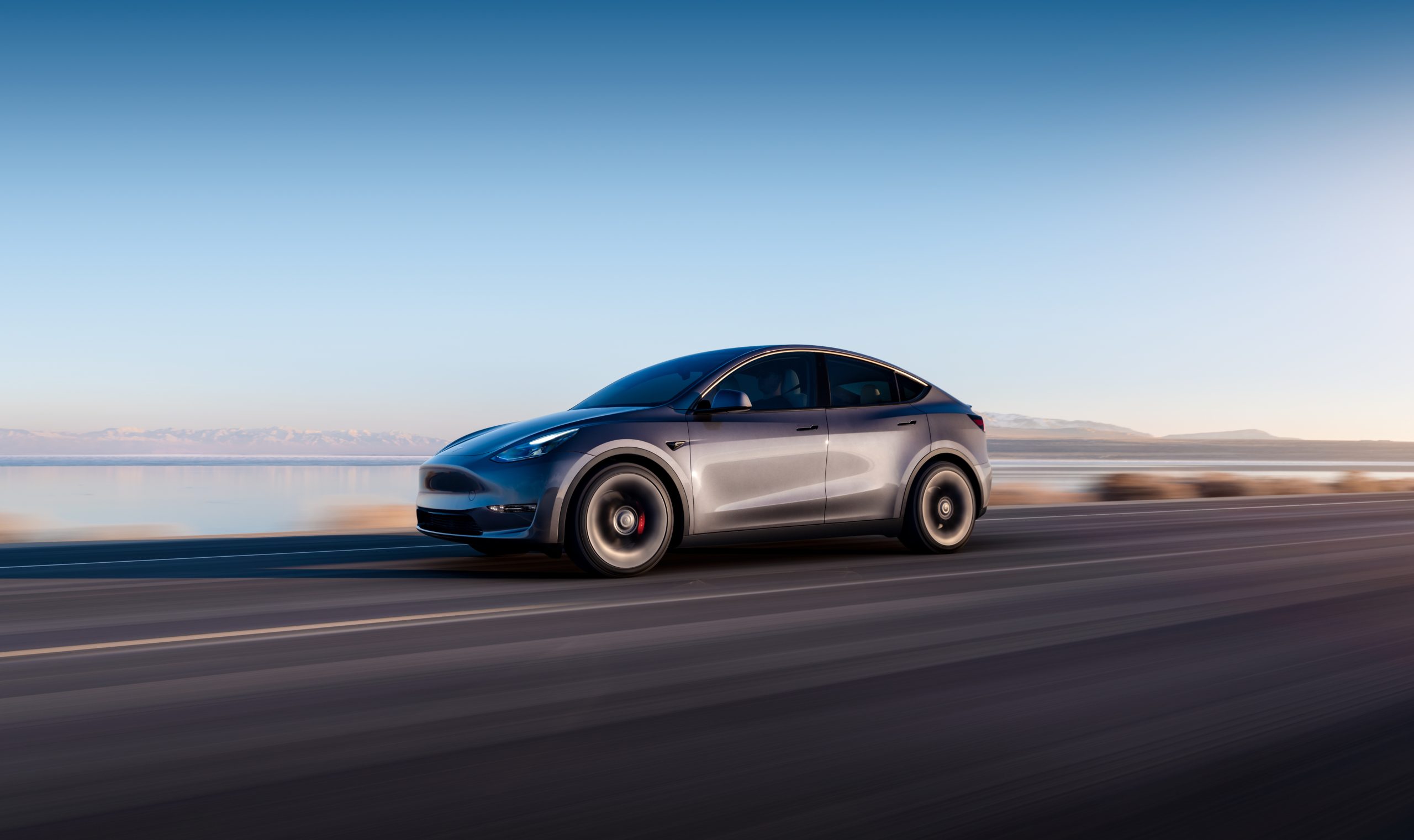



Ioniq 5 is too good anyway.
I’m more of a PHEV guy. So Prius Prime for me.