The effect was more pronounced in countries with larger Communist Parties. Capitalism did not reduce working hours on its own.
Saw this on twitter.
Link to the book pdf: Reforming to Survive: The Bolshevik Origins of Social Policies
this kinda thing sort of still happens.
I knew a guy that delivered groceries, and the workers for the same mega-corp in CA unionized.
And I asked the guy if they were going unionize here. And he said why bother he and his workers just got a raise.
I looked at him and said, “And you can thank your coworkers risking their biscuit for your raise. Have a nice day.”
Some people.
That line of thinking is exactly what management was counting on when they gave everyone else a (probably pretty meager) raise
for more on how concessions by capital have historically been driven by fear of an organized international worker’s movement
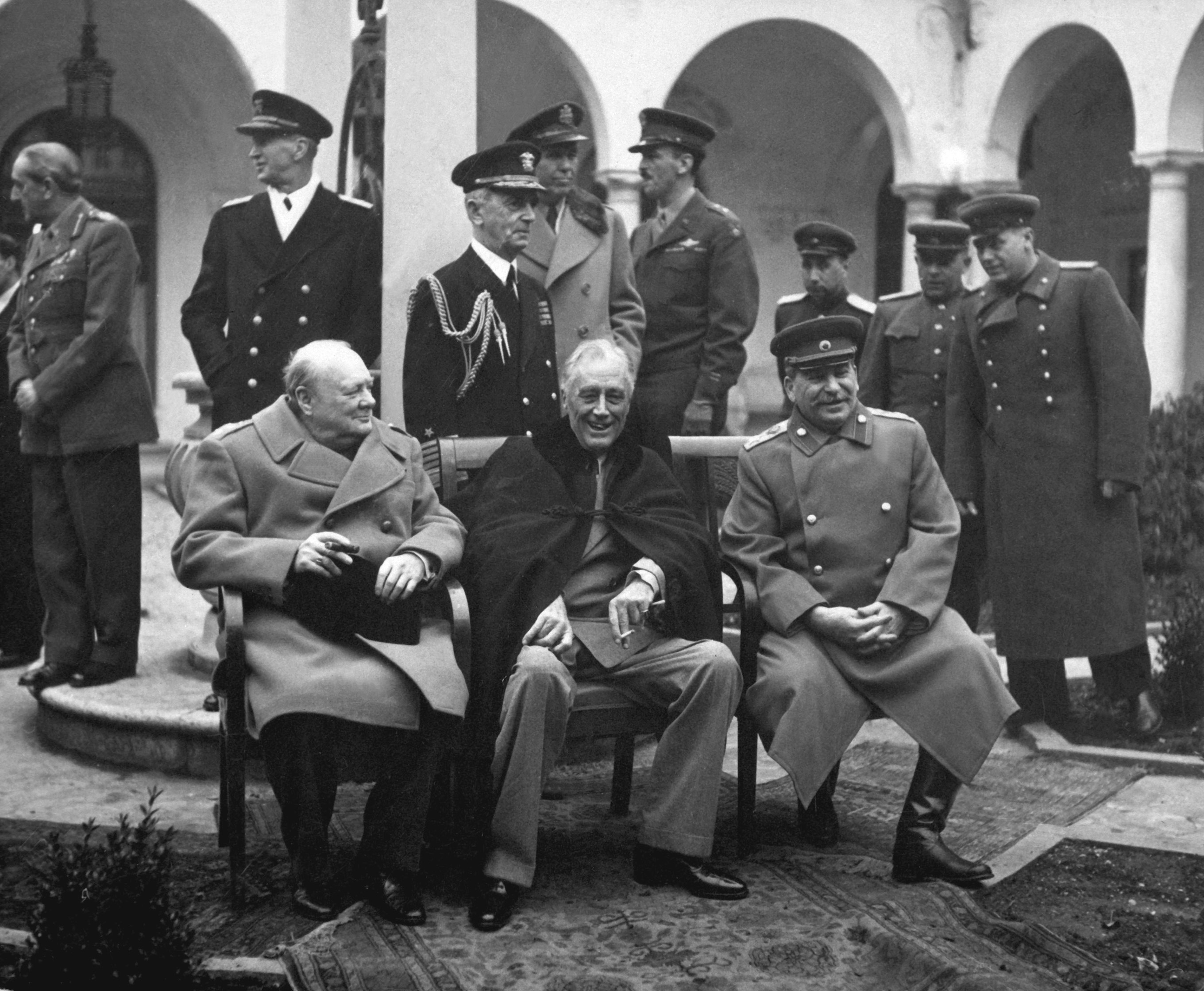
I will add that under Stalin, pension and free healthcare were maintained throughout the entire Great Patriotic War from 1941-45, when 27+ million Soviet lives would perish. The economy fully recovered to its pre-war condition within 5 years without austerity.
The working conditions in the USSR have always been at the leading edge of the world and comparable to the wealthier post-war Western European countries, until the demise of the USSR in the 1990s.
It would be interesting to see data post USSR collapse
We are very grateful for archival assistance from Jorunn Pedersen
Marxist Norwegian
 just dropped