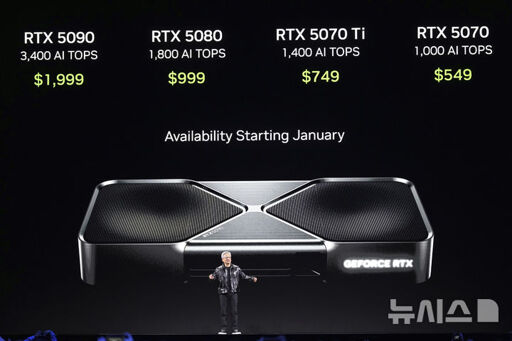
[서울=뉴시스]이지용 기자 = 미국의 엔비디아와 AMD가 당장 내년 1월부터 그래픽처리장치(GPU) 가격을 대폭 인상할 전망이다. 높은 메모리 가격에 따른 원가 부담이 GPU 가격 인상의 핵심 배경으로 꼽힌다.양사는 한 차례 가격 인상에 그치지 않고 앞으로 수 개월에 걸쳐 단계적 가격 조정에 들어갈 방침이다. 이에 소비자용 GPU 뿐 아니라 인공지능(AI)..
Love that hardware is literally becoming more expensive now instead of getting cheaper.
if i remember correctly, memory manufacturers reported that they sold out all available orders until the end of 2026, and that they will not increase production to meet the surge in demand. even if the bubble pops they’ll make sure to force at least someone to honor these pre-orders.
on top of that, most production of computer parts either has already shifted or will continue to shift to data center products, which are not compatible with consumer parts. changing back to consumer parts will take months if not years, so it’s safe to assume that shortages will continue up until 2027 at least.
the most plausible scenario in the event of an AI crash (in my non-expert opinion) is that most of the data center ownership will change to the hands of the few already existing tech giants that run profitable businesses (amazon, meta, google, microsoft etc…) or will end up in the hands of the US government (including the pre-orders i mentioned) as a form of bailout for hardware and AI companies, possibly in exchange for ownership stake (similar to how trump shifted the CHIPS act funds to a 10% stake in intel).
the thing about CaaS is, it is not what these companies want to pursue, but have to in the event of a crash. whether it makes sense or not, these companies will have to shove CaaS down our throat in order to be able to find some use for these data centers and keep investors happy. CaaS is simply seen as the easiest business for these data centers to get into. other possible uses are mass surveillance and MIC like palantir, so get ready for those as well.
the only possible saving grace are chinese hardware manufacturers but from what i’ve heard, in the best case scenario, they still need at least 3-4 years to catch up. even then i’ll doubt they’ll catch on outside of china and software support will probably be limited.

if i remember correctly, memory manufacturers reported that they sold out all available orders until the end of 2026, and that they will not increase production to meet the surge in demand. even if the bubble pops they’ll make sure to force at least someone to honor these pre-orders.
on top of that, most production of computer parts either has already shifted or will continue to shift to data center products, which are not compatible with consumer parts. changing back to consumer parts will take months if not years, so it’s safe to assume that shortages will continue up until 2027 at least.
the most plausible scenario in the event of an AI crash (in my non-expert opinion) is that most of the data center ownership will change to the hands of the few already existing tech giants that run profitable businesses (amazon, meta, google, microsoft etc…) or will end up in the hands of the US government (including the pre-orders i mentioned) as a form of bailout for hardware and AI companies, possibly in exchange for ownership stake (similar to how trump shifted the CHIPS act funds to a 10% stake in intel).
the thing about CaaS is, it is not what these companies want to pursue, but have to in the event of a crash. whether it makes sense or not, these companies will have to shove CaaS down our throat in order to be able to find some use for these data centers and keep investors happy. CaaS is simply seen as the easiest business for these data centers to get into. other possible uses are mass surveillance and MIC like palantir, so get ready for those as well.
the only possible saving grace are chinese hardware manufacturers but from what i’ve heard, in the best case scenario, they still need at least 3-4 years to catch up. even then i’ll doubt they’ll catch on outside of china and software support will probably be limited.