
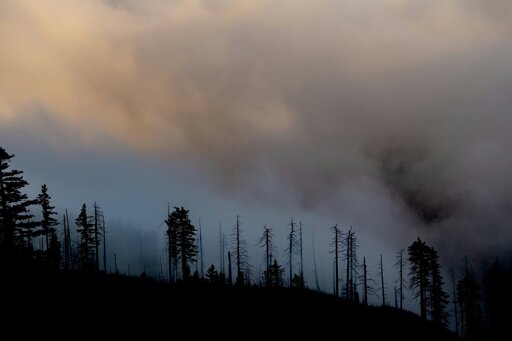
Kircheis used satellite-based smoke predictions and an instrumental-variable approach to isolate wildfire-derived particulate matter from other pollution sources, ensuring that the effects were specifically linked to smoke events rather than broader air quality trends.
Although the study did not test individual biological changes due to wildfire smoke pollution, the pattern of results points to short-lived physiological and psychological responses to fine particulate pollution—such as discomfort, inflammation or stress reactions—as likely contributors to the rise in assaults.
Importantly, Kircheis ruled out other factors that might drive increased violence. For instance, traffic collisions and police response times remained stable on smoke-affected days, ruling out explanations related to inattention or reduced police capacity.